Are Injectable Results Immediate? What Really Happens Days 1–14
Elite Laser Esthetics • October 14, 2026
Injectable fillers and neuromodulators have revolutionized facial rejuvenation by offering clients a way to refresh their appearance quickly—often without major downtime. But at Elite Laser Esthetics, we field a common question from first-time injectable patients: Are results truly instant? While advertisements and social media might suggest an immediate “before and after,” the real process of achieving natural, beautiful results takes a bit more patience and understanding.
To set expectations and ensure optimal satisfaction, it’s important to understand what really happens—medically and aesthetically—during the critical first two weeks after treatment. With a blend of clinical science and patient-first care, Elite Laser Esthetics guides every client through the observable changes, common side effects, and smart aftercare moves that make the difference between a good outcome and a truly great one.
In This Article:
1. What Happens Immediately After Your Injection?
2. Days 1–3: Swelling, Settling, and First Impressions
3. Days 4–14: Results Refine and Look More Natural
4. What Most People Overlook About the Waiting Period
5. FAQ: Injectable Results, Swelling, and Adjustments
What Happens Immediately After Your Injection?
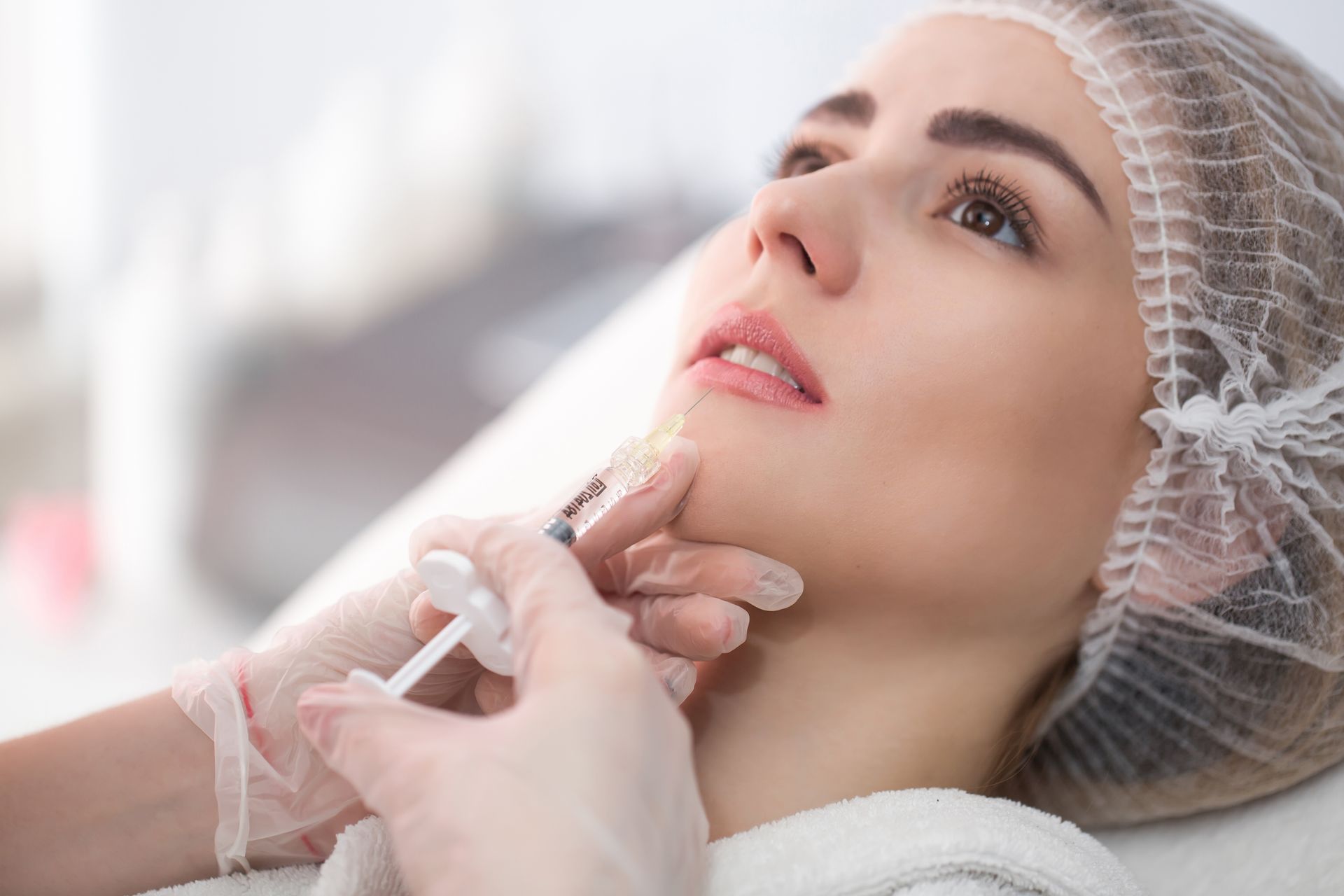
Injectable treatments are designed for efficiency, and you’ll likely notice some initial effect as soon as you leave the treatment chair—smoother lines, plumper lips, or more lift in the cheeks. However, this first look is not your final result. Some swelling, redness, and mild tenderness are extremely common in the first hours after injections, especially for filler treatments.
You might see slight asymmetry or puffiness due to localized swelling, and some people experience minor bruising at the injection sites. These effects are normal and temporary—your clinician will provide an ice pack and specific care instructions to help your skin recover and minimize discomfort.
→ From a professional standpoint: Don’t judge your outcome immediately after treatment; changes in appearance during the first 24–48 hours are primarily related to swelling, not the true effect of your procedure.
Days 1–3: Swelling, Settling, and First Impressions
As the first days progress, temporary swelling usually reaches its peak—particularly in areas prone to more movement or a prominent blood supply, like the lips and under eyes. Bruising may become slightly more visible before fading. You might notice that features seem a touch more pronounced or firmer than expected.
This is when patience matters most. Swelling and even minor lumpiness will start to subside as inflammation decreases and your body acclimates to the product. Gentle care, strict avoidance of alcohol and blood-thinners, and sleeping on your back will all assist in a smoother recovery.
→ A quick tip to remember: Wait at least three days for most bruising and visible swelling to fade before evaluating your look; first impressions can be misleading.
Days 4–14: Results Refine and Look More Natural
By day four, most filler and neuromodulator clients notice a real softening in appearance. The injected product settles into the tissue, initial swelling continues to recede, and facial features appear more harmonious. Lines continue to soften (especially with neurotoxins like Jeuveau), and restored volume integrates with natural contour.
At this point, nearly all visible bruising should be minimal, and any tiny bumps resolve. Cheeks, lips, or jawlines settle into their final shape, reflecting not just product placement, but also the body's natural adjustment to it. If there are remaining asymmetries or concerns, this is the right window to reassess with your provider—minor touch-ups are safely performed at this stage if needed.
→ From a professional standpoint: Scheduling a check-in around the two-week mark gives you and your provider the best window to make safe, final adjustments.
What Most People Overlook About the Waiting Period
The most common mistake clients make is evaluating or reacting too soon. Social media or unrealistic expectations can cause anxiety as you watch features change during the healing phase. In rare cases, clients seek additional interventions too quickly, only to overcorrect or interfere with the natural settling process. Trusting your provider and letting your skin heal is critical.
→ A quick tip to remember: Great injectable results require collaboration—follow instructions, be patient, and communicate any concerns, but don’t rush judgment or adjustments.
Frequently Asked Questions
How can I minimize downtime or side effects after injectables?
Stick to recommended aftercare—use ice for swelling, avoid blood-thinners unless medically necessary, skip intense workouts for the first couple of days, and prop your head up when sleeping.
When should I contact my provider about my results?
If pain, redness, or swelling worsens after three days, or if any lumps don’t soften over time, reach out promptly. Most minor side effects resolve on their own, but expert attention is important for anything unusual.
Are adjustments or top-ups common after injectable treatments?
Yes—minor touch-ups at two to three weeks are routine for optimizing results. Your provider will assess harmony, symmetry, and your overall satisfaction at this follow-up.
The Art of Patience, The Beauty of Results
Successful injectable treatments are about partnership, timing, and realistic expectations. By knowing exactly what to expect each day, you’ll sidestep anxiety and enjoy safe, natural improvements that last. Schedule follow-ups, stay patient, and enjoy the transformation—your best look is always worth the wait.
Share This Blog