Medical Lasers vs. At-Home Devices for Permanent Hair Removal
Elite Laser Esthetics • November 10, 2026
The convenience of permanent hair removal has led to a surge in portable gadgets claiming to rival professional clinics. At Elite Laser Esthetics, we frequently consult with patients who have spent months using at home devices with minimal success. Understanding the biological differences between clinical diode lasers and consumer grade tools prevents wasted time and money.
The technology required to target and destroy a hair follicle permanently requires a specific level of power and precision. Consumer devices are intentionally capped at lower energy outputs to prevent user injury. A clinical setting provides the necessary wavelength and cooling systems to safely treat unwanted hair across all skin types.
In this guide:
● Power and precision: The truth about laser energy output.
● Safety mechanisms: Why clinical cooling systems matter.
● Treating diverse skin tones: The limitations of home gadgets.
● Realistic session timelines: Counting the weeks to smooth skin.
The Reality of Laser Energy Output
The primary reason patients ask if at-home laser hair removal devices work as well as professional ones is the difference in upfront cost. The clinical reality is that retail gadgets rely on Intense Pulsed Light or low energy lasers that only stun the hair follicle. They rarely generate enough heat to destroy the follicle root completely.
Professional equipment like the Spendor X by Lumenis utilizes a concentrated diode laser. This specific wavelength of light is absorbed strictly by the pigment in the hair follicle. The heat generated by a medical diode laser is high enough to prevent future growth entirely. Retail devices simply cannot reach these temperatures without causing severe burns to the user.
Clinical Safety and Contact Cooling
Applying intense heat to the skin requires an equally intense cooling mechanism. Consumer devices lack the sophisticated thermal regulation found in a medical spa. This absence of advanced cooling makes home treatments uncomfortable and limits the amount of energy that can be safely applied to the skin.
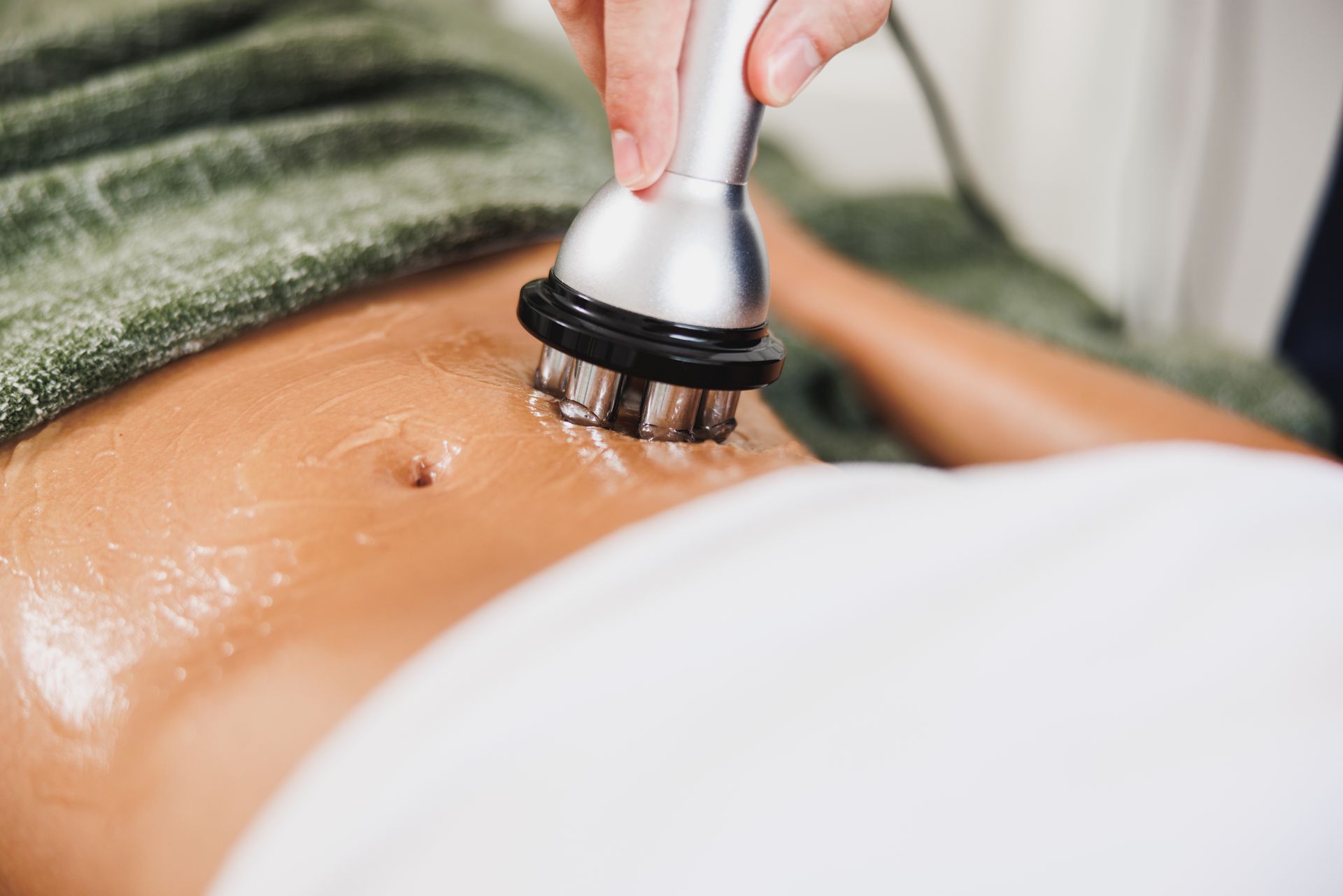
The Spendor X system features a contact cooling mechanism that delivers a soothing sensation via a sapphire tip before, during, and after each pulse. This protects the surrounding skin from heat damage while allowing the technician to use the necessary power to achieve permanent hair removal. Patients experience minimal discomfort even when treating highly sensitive areas like the bikini line or face.
► Client Experience: I recently received laser hair removal at Elite Laser Esthetics, and I'm thoroughly impressed. The professional and welcoming staff ensured I felt right at home. They explained everything clearly, and the facility's cleanliness and top-notch equipment added to the comfort.
Our team prioritizes this level of education so every patient understands exactly how the equipment protects their skin during the session.
Treating Diverse Skin Tones Safely
One of the biggest failures of at home devices is their inability to distinguish between the melanin in the hair and the melanin in the skin. People with darker skin tones are at a high risk for burns, blistering, and permanent discoloration when using unregulated retail gadgets. Most home device manuals explicitly warn against use on darker skin types.
In a professional setting, the laser intensity and pulse duration are entirely customizable. Our technicians perform patch tests and adjust the Spendor X settings to match the exact skin and hair profile of each individual. This clinical approach ensures that permanent hair removal is safe and effective for residents across Miami and Davie regardless of their complexion.
Realistic Treatment Timelines
Hair grows in distinct cycles. Lasers only affect hair that is currently in the active growth phase. Because of this biological fact, complete removal requires multiple sessions spaced several weeks apart. At home devices often require weekly use indefinitely just to keep the hair stunted.
A proper clinical protocol typically involves six to eight sessions. Once the hair is treated during its active phase with a medical diode laser, it does not return. Patients can complement their visits with a soothing Geneo Facial or gentle massage to relax after their appointments, knowing they are making a permanent investment rather than a temporary fix.
Transitioning to Clinical Care
Recognizing the limits of consumer technology saves you from endless frustration and potential skin damage. A professional assessment provides a clear, medically sound path to smooth skin without the guesswork of retail gadgets. Reach out to our team to schedule a patch test and see the difference a medical diode laser makes.
Share This Blog